Yesterday I found a very interesting feminist critique of the Alien franchise. You can check it out here: Demeter, Peresephone in space.
This also gives me an excuse to post a Bikini Kill song...


"Deflowered": A Bunch of Punk-Ass Pansies!
Deflowered: My Life in Pansy Division is an autobiography by Jon Ginoli, the lead singer of punk band, Pansy Division.
Who are Pansy Division?
And personal favorite:
These guys are a totally gay punk rock band. They are a tight operation, they rock out, they're funny...they even toured with Green Day right when Dookie was making it big!
So why haven't you heard more about them? Because America is run by assholes who hate you. How else to explain Top 40?
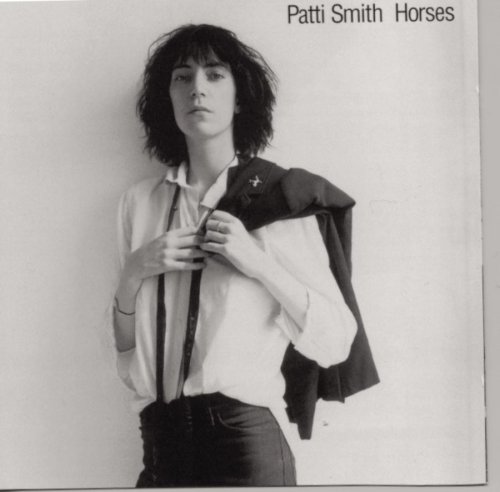
Deflowered briefly discusses Jon's childhood and adolescence, which was very normal and boring: no heroin abuse, no being locked in the attic until the age of 13, or any of that usual memoir crap. Jon was raised in the Midwest, and the wildest thing he did as a teen was dress like Patti Smith. I can totally get behind that, and have been tempted to do so myself.
The story continues in the gay bars of the 1980s, which played the same shitty dance music they do today. In fact, while reading Jon's complaints about the San Francisco scene, I was very much reminded of walking into The Stonewall Inn on New Year's, and leaving 15 minutes later, because I can not stand that disco bull shit. Seriously. Jon and his friends in Tribe 8 worked very, very hard to give queers RAWK; why can't we give them some props at the bars instead of waiting for Riot Grrl theme night (if we even get that)?
Because Jon, 20 years ago, was frustrated by the lack of queer punk rock, he did the punk rock thing, and formed a band himself. He notes that there were queer punk zines before the music had arrived yet, which I found quite interesting. There were also some dyke bands forming, such as Tribe 8. The riot grrl scene eventually brought a lot more of them, but by the late 1990s the status quo had its revenge and we were subjected to Gay Pride favorites, The Spice Girls. Girl Power!

Most of the book consists of tour diaries. They got picked to tour with Green Day in 1994 because the drummer of that band, Tre Cool, wanted to rile up the frat boys that began to come to their shows as they got MTV airplay. The boys in GD genuinely liked the band, though, and they toured with them twice. Pansy Division even got some MTV airplay themselves in the form of an interview on 120 Minutes.
Some audiences, like the ones at Squeezebox in New York, or the venues (squats) in Italy, were very positive. Others, like some of the Green Day audiences as the band got huge, were absolute assholes. The band gossip Jon relates, concerning certain of the pop-punk scene, I really relished, since I grew up in the late 90s and had to go to class with the same alternateens that worshipped those pricks.
The tour diaries are fascinating at first, but they can get repetitive. I wish Jon had talked more about the transformation of the punk scene, though hearing about Tre Cool smearing mustard on electrical outlets was kind of great. They toured so much maybe it was hard for him to make a clear observation of what was going on. He was also in his 30s at the time and not really part of the punk "lifestyle" even as a teen, so he was kind of on the fringes despite being in a band.
However, the problem with the diary entries is that they don't have a lot of meat on them, so it all kind of blurs together and I wound up skipping parts. Discussions of band promotions, like making a video parody of Bill & Ted are a lot more fun to read, but fewer and far between.
Deflowered gets 2 and a half stars.
1 star for "attempting to make music at Pride less horrible"
1 star for "Beavis humping Butthead, Bill humping Ted, et al"
And 1 half star for "mocking Blink 182 and Bon Jovi" (it's only half because it's too easy)
Who are Pansy Division?
And personal favorite:
These guys are a totally gay punk rock band. They are a tight operation, they rock out, they're funny...they even toured with Green Day right when Dookie was making it big!

So why haven't you heard more about them? Because America is run by assholes who hate you. How else to explain Top 40?
Deflowered briefly discusses Jon's childhood and adolescence, which was very normal and boring: no heroin abuse, no being locked in the attic until the age of 13, or any of that usual memoir crap. Jon was raised in the Midwest, and the wildest thing he did as a teen was dress like Patti Smith. I can totally get behind that, and have been tempted to do so myself.
The story continues in the gay bars of the 1980s, which played the same shitty dance music they do today. In fact, while reading Jon's complaints about the San Francisco scene, I was very much reminded of walking into The Stonewall Inn on New Year's, and leaving 15 minutes later, because I can not stand that disco bull shit. Seriously. Jon and his friends in Tribe 8 worked very, very hard to give queers RAWK; why can't we give them some props at the bars instead of waiting for Riot Grrl theme night (if we even get that)?
Because Jon, 20 years ago, was frustrated by the lack of queer punk rock, he did the punk rock thing, and formed a band himself. He notes that there were queer punk zines before the music had arrived yet, which I found quite interesting. There were also some dyke bands forming, such as Tribe 8. The riot grrl scene eventually brought a lot more of them, but by the late 1990s the status quo had its revenge and we were subjected to Gay Pride favorites, The Spice Girls. Girl Power!


Most of the book consists of tour diaries. They got picked to tour with Green Day in 1994 because the drummer of that band, Tre Cool, wanted to rile up the frat boys that began to come to their shows as they got MTV airplay. The boys in GD genuinely liked the band, though, and they toured with them twice. Pansy Division even got some MTV airplay themselves in the form of an interview on 120 Minutes.
Some audiences, like the ones at Squeezebox in New York, or the venues (squats) in Italy, were very positive. Others, like some of the Green Day audiences as the band got huge, were absolute assholes. The band gossip Jon relates, concerning certain of the pop-punk scene, I really relished, since I grew up in the late 90s and had to go to class with the same alternateens that worshipped those pricks.

The tour diaries are fascinating at first, but they can get repetitive. I wish Jon had talked more about the transformation of the punk scene, though hearing about Tre Cool smearing mustard on electrical outlets was kind of great. They toured so much maybe it was hard for him to make a clear observation of what was going on. He was also in his 30s at the time and not really part of the punk "lifestyle" even as a teen, so he was kind of on the fringes despite being in a band.
However, the problem with the diary entries is that they don't have a lot of meat on them, so it all kind of blurs together and I wound up skipping parts. Discussions of band promotions, like making a video parody of Bill & Ted are a lot more fun to read, but fewer and far between.
Deflowered gets 2 and a half stars.
1 star for "attempting to make music at Pride less horrible"
1 star for "Beavis humping Butthead, Bill humping Ted, et al"
And 1 half star for "mocking Blink 182 and Bon Jovi" (it's only half because it's too easy)
"Fun Home": Dads to Watch Out For

Fun Home is a graphic novel by Alison Bechdel, the cartoonist behind Dykes to Watch Out For, a long-running comic strip about dykes and dykey things. It came out in 2006, so if you care very much about dykes, graphic novels, funeral homes, etc., you are probably aware of it. Entertainment Weekly even put it on their list of best books of the freakin' decade.
Even though Entertainment Weekly loves it, you shouldn't hold that against Fun Home. It really is a good book! It's also a great graphic novel. A memoir where the images explicate the words, it is exquisitely detailed but never stiff and dull. The drawing style keeps things lighter than they might otherwise be...considering the heavy subjects touched upon, such as mortality and even suicide. It is both funny and deep, engaging and analytical: everything the best comics are.

And it is a very gay work. Alison, of course, is thoroughly lesbian, having come out in college and drawn a comic strip about dykes for 25 G-d damn years.

But her dad was also queer. He was a high school English teacher and had relationships with some of his older students, which really did a number on his marriage. He was even arrested and prosecuted for giving a beer to an underage boy. He also had relationships with fellow soldiers in the service, during his time in the Army during the 1950s.
Even though he had strong feelings for males his entire life, he got married and had children, as many people did back then and still do. This was to the detriment of everyone involved. When his wife, exhausted by his affairs and verbal abuse, finally asked him for a divorce (Alison was 20 by then), he was hit by a truck soon afterward. Fun Home speculates that it was suicide, but nobody knows for certain.

On the lighter side, Alison's father was also obsessed with fashion, flowers, and period restoration. He seems to have taken out his more femme proclivities on poor Alison. Some of the strongest parts of the book focus on their power struggle. He was a tyrant for velvet and precise flower arrangement. There is a certain poetic justice in the man's only daughter growing up to be butch dyke.
The plot of the book is elliptical, driven forward more by ideas than by actions. The central event of the book is Alison's father's death, so soon after the threat of divorce, and only 2 weeks after she came out. To add to the memetic swirl, her father was also the town funeral director. The funeral home is introduced early in the book; it is the titular "Fun Home". Its presence hangs over everything as a shadow of death.


Another theme in the book is literature. Alison's father was very fond of F. Scott Fitzgerald as a young man; later in the book, it's James Joyce; and the Greek myth of Daedalus is alluded to early on. There are also references to Proust. However, the book is still accessible even if your idea of high literature is High Times.
This is truly the sort of book you read again and again, picking up more with each reading. It's not just about living with a frustrated, closeted dad as a young lesbian...it's about death, it's about family, it's about how literature informs and affects one's life.
I give the book 4 stars.
1 star for "being a cartoon that's less cartoonish than the last two movies I've seen"
1 star for "taking on Dad touching boys in a calm, collected manner"
1 star for "still being entertaining despite all of the above"
And 1 star for "1950s truck stop butches"
Subscribe to:
Posts (Atom)